Meow Christmas: A Designer’s Take on Holiday Embroidery
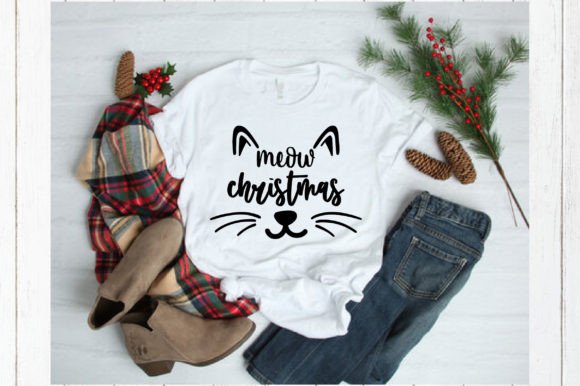
As someone who has spent countless hours digitizing, stitching, and troubleshooting embroidery files, I approach every new machine embroidery design with a mix of curiosity and caution. The holiday season is notoriously crowded with generic snowflakes and overused Santa motifs, so when I came across Meow Christmas, I was immediately intrigued by its potential to break the monotony. This isn’t just another festive clipart; it is a specific aesthetic choice that blends pet lover culture with seasonal cheer. For embroidery designers, Etsy sellers, and craft business owners, understanding how this graphic translates from a digital file to a tangible finished product is crucial before committing to production.
First Impressions and Visual Personality
The first thing that strikes you about Meow Christmas is its playful yet clean visual personality. It avoids the clutter often found in complex holiday graphics, opting instead for a layout that prioritizes readability and charm. The mood it creates is warm, whimsical, and approachable. For a designer, this is vital because embroidery has physical limitations. Intricate details can get lost in thread, but bold, clear shapes tend to shine. The design feels balanced, suggesting that the original creator considered how lines would convert into stitches. Whether you are working with a satin stitch for crisp outlines or a fill stitch for broader areas, the underlying structure of this graphic appears conducive to smooth machine execution.
In terms of theme, it taps into the massive market of pet owners who treat their animals as family members. This emotional connection increases the perceived value of the item. When a customer sees a cat-themed holiday design, they aren’t just buying a shirt; they are buying an expression of identity. This makes Meow Christmas a strong candidate for high-engagement products where personalization and relatability drive sales.
Real-World Application: The Sweatshirt Test
To truly evaluate an embroidery file, you have to imagine it on fabric. I recently considered this design for a custom order involving a heavyweight cotton sweatshirt. The goal was to create a cozy, boutique-style holiday embroidery piece that felt premium rather than mass-produced. Placing Meow Christmas on the left chest area offered a subtle, sophisticated look, while centering it on the back created a bold statement piece. The contrast between the soft texture of the fleece and the raised texture of the embroidery added depth to the handmade product.
This scenario highlights why format matters. The product description notes that you receive PNG, EPS, SVG, and DXF files. For embroidery, the DXF or SVG is typically used as a base for digitizing if a native PES or DST file isn't provided, or it may be used for print-on-demand hybrids. However, for pure embroidery, one must ensure the design has been properly digitized with appropriate underlay and stitch types. If you are using this as a reference for creating your own applique design, the clear boundaries in the graphic make it easy to trace and assign stitch paths. The high-resolution PNG at 300 DPI is also invaluable for creating printable mockup images for your online store, allowing customers to visualize the custom apparel before purchasing.
Fabric Considerations and Stitch Density
One of the most critical aspects of reviewing any design is assessing its compatibility with different materials. Meow Christmas seems versatile, but success depends on managing stitch density. On stable fabrics like canvas tote bags or denim aprons, the design should hold up beautifully, providing a durable tote bag design that withstands frequent use. However, when moving to stretchy fabrics like jersey knits for t-shirts or baby clothes, caution is required. Without proper stabilization, dense areas of the design could cause puckering.
For baby embroidery projects, such as onesies or burp cloths, I recommend testing the design on scrap fabric first. Use a cut-away stabilizer to support the knit fabric and ensure the stitches remain flat against the skin. The visual appeal of the design on a small scale needs to be checked as well. If the text or fine details in the "Meow" element are too small, they might become illegible or merge together after stitching. Always inspect small details at actual size before running the full production batch.
Dark fabrics present another challenge. If you are stitching white or light-colored thread on a black hoodie, you must ensure high contrast. The design’s lines need to be thick enough to cover the background fabric completely. A running stitch might not suffice here; a denser satin or fill approach would be necessary to achieve professional results. Testing on both light and dark backgrounds helps determine if you need to adjust thread colors or add a backing layer to prevent show-through.
Commercial Viability for Small Shops
For small shop product creators and Etsy sellers, the commercial potential of Meow Christmas is significant. It fits seamlessly into categories like personalized gift items, niche holiday decor, and pet-centric merchandise. The design’s versatility allows it to be used across various design assets, from embroidered patches to pillow covers. An embroidered patch featuring this design could be a standalone product, appealing to customers who want to customize their own jackets or bags later.
Brand consistency is key. If your shop focuses on whimsical, handcrafted aesthetics, this design aligns perfectly. It enhances buyer engagement because it sparks joy and recognition. Customers are more likely to share photos of unique, cute designs on social media, providing organic marketing for your craft business. However, always confirm licensing terms. While the file includes formats suitable for various uses, ensure you have the right to sell finished items commercially. Most digital embroidery files come with specific licenses regarding mass production versus small business use.
Practical Designer Notes for Best Results
Before launching this design in your commercial embroidery lineup, consider these practical steps:
- Test on Scrap Fabric: Never skip this step. Check for puckering, thread breaks, or registration issues.
- Check Thread Contrast: Ensure your thread colors pop against the fabric. High contrast improves readability and visual impact.
- Review Hoop Size: Confirm that the design fits within your available hoop sizes without requiring excessive re-hooping or splitting.
- Inspect Small Details: Zoom in on the digital file. Are there tiny elements that might snag or break during stitching? Simplify if necessary.
- Use Proper Stabilizer: Match the stabilizer to the fabric weight. Heavyweight fabrics may need less support, while knits require robust stabilization.
- Verify File Formats: The package includes SVG and DXF, which are great for cutting machines or manual digitizing. If you need a direct machine file, ensure you have the correct conversion or digitize it yourself to control stitch direction and density.
In conclusion, Meow Christmas is a charming addition to any holiday collection. Its strength lies in its simplicity and emotional resonance. By paying attention to fabric choice, stabilization, and stitch quality, you can transform this digital graphic into a high-value finished product that customers will love. Whether for a sweatshirt embroidery project or a festive home decor item, this design offers the flexibility and appeal needed to stand out in a saturated market.