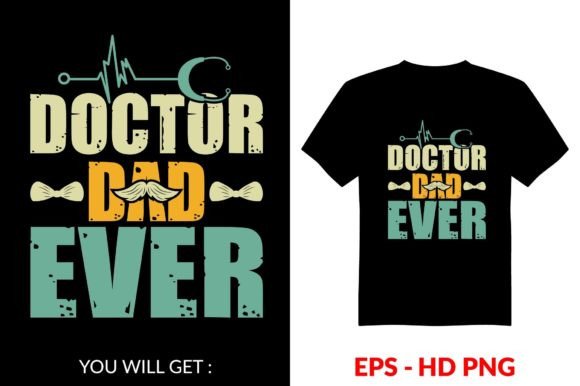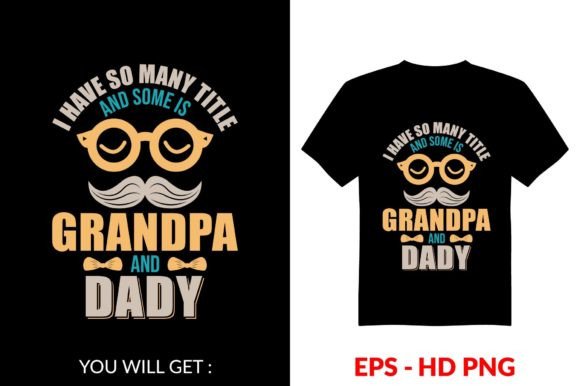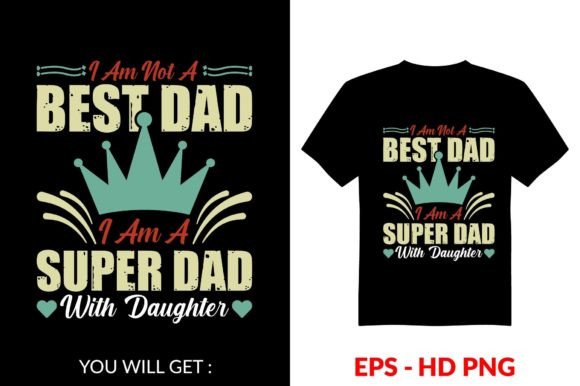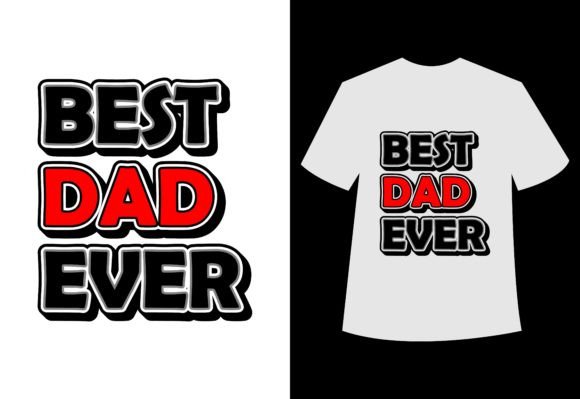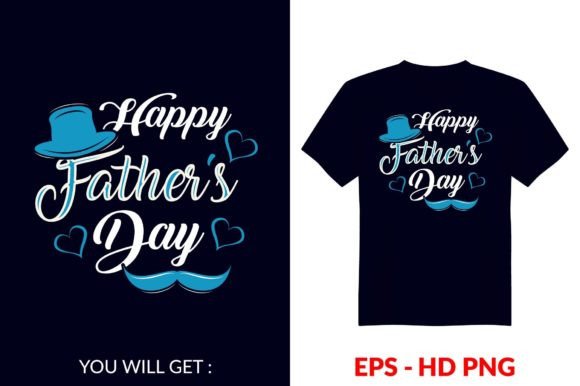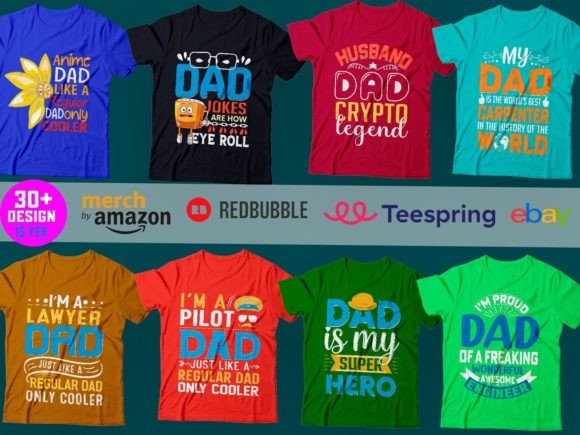
Reviewing the Father’s Day T-Shirt Design Bundle
As a designer who has spent countless hours digitizing patterns and testing machine embroidery design files on various fabrics, I approach every new asset with a critical eye. It is not just about whether a graphic looks good on a screen; it is about how it translates into thread, how it behaves under the needle, and ultimately, how it performs as a finished product in a customer’s hands. Recently, I evaluated the Father s Day T Shirt Design Bundle, a collection marketed primarily for sublimation but increasingly relevant for those of us looking to expand our design assets for mixed-media projects.
The first impression of this bundle is one of approachable warmth. The visual personality leans heavily into classic paternal themes—bold typography, iconic symbols like ties or tools, and sentiments that resonate with family-oriented gifting. For an embroidery professional, the layout is the first thing we scrutinize. Is the spacing adequate for stitching? Are the lines clean enough to follow without excessive jump stitches? While this specific product is listed under Print Templates and described as a printable sublimation design, its utility extends far beyond heat presses. Many of my clients, particularly Etsy sellers and small shop owners, are looking for versatile graphics that can be adapted into embroidered patches, appliques, or direct-to-garment embellishments.
From Digital File to Stitched Reality
Let’s consider a real-life scenario. Imagine you are preparing a custom order for a boutique client who wants a set of personalized tote bags for a Father’s Day market event. You have the Father s Day T Shirt Design Bundle loaded on your tablet. The design features strong, clear shapes. In embroidery, clarity is king. If a design is too cluttered, it becomes a muddy mess of thread once stitched out. This bundle’s aesthetic, with its balanced composition, suggests it would translate well into a satin stitch border or a fill stitch background if digitized correctly.
However, because this is originally a sublimation graphic, you cannot simply load it into your embroidery machine. You must treat it as a reference image for digitizing or as a printed element to be combined with embroidery. For instance, you might sublimate the main graphic onto a polyester cap and then add a simple running stitch outline or a monogram in contrasting thread colors. This hybrid approach is increasingly popular in commercial embroidery because it allows for photorealistic detail (via sublimation) paired with the tactile luxury of thread.
Material Considerations and Fabric Texture
When evaluating any design for real project use, fabric texture plays a pivotal role. If you plan to use elements from this bundle for sweatshirt embroidery, the thick pile of fleece or French terry requires careful planning. Dense designs can sink into the fabric, losing their definition. In such cases, using a cutaway stabilizer is non-negotiable. For lighter items like baby embroidery on onesies, you must ensure that the design does not become too stiff. A heavy fill stitch can make a garment uncomfortable for an infant, so opting for lighter stitch densities or using the graphic as a guide for a smaller, simpler embroidered accent is wise.
Dark fabrics present another challenge. If you are creating a personalized gift on a navy or black hoodie, the colors in the original sublimation file may not pop if you attempt to replicate them with thread alone. Here, the bundle serves as an excellent template for an applique design. You can cut fabric shapes that match the design’s components and stitch them down, preserving the color vibrancy while reducing stitch count and bulk. This technique is ideal for embroidered patch creation, where durability and visual impact are paramount.
Navigating Technical Constraints
There are areas where caution is necessary. The Father s Day T Shirt Design Bundle includes text elements. In embroidery, tiny lettering is notoriously difficult to read, especially on curved surfaces like caps or on textured towels. If you are adapting this graphic for a tote bag design, ensure that any text is large enough to accommodate at least three millimeters in height for legibility. Small details and sharp corners in the original graphic may need to be rounded off during the digitizing process to prevent thread breaks and puckering.
Furthermore, stitch density must be managed carefully. Sublimation designs often have gradients and shadows that do not translate directly to thread. Trying to mimic these effects with thousands of stitches can result in a stiff, cardboard-like feel. Instead, use the graphic’s contrast levels to inform your choice of thread colors. High-contrast combinations work best for maintaining the design’s integrity. Always test the design on scrap fabric first. Check how the threads interact with the material, and inspect the back of the hoop for excessive pulling or distortion.
Commercial Viability and Brand Consistency
For craft business owners, the value of a design lies in its versatility and market appeal. Father’s Day is a significant retail holiday, and products featuring heartfelt, masculine-themed designs sell well. This bundle fits naturally into categories like holiday embroidery, custom apparel, and home decor. Whether you are making kitchen towels, aprons, or pillow covers, the thematic consistency of the bundle helps maintain brand coherence. Customers trust shops that offer cohesive collections, and using a unified design language across different products enhances perceived value.
It is crucial to note the licensing terms. The product description states it is a "Printable Sublimation Design" and mentions use for t-shirts and mugs. It does not explicitly state that it includes native embroidery file formats like PES, DST, or EXP. Therefore, if you intend to sell finished embroidered items, you must confirm whether the license covers commercial use of the artwork when transformed into embroidery. Many digital sellers allow this, but some restrict it to print-only applications. Always read the fine print before listing your small shop product on platforms like Etsy.
Practical Designer Notes for Execution
To get the most out of the Father s Day T Shirt Design Bundle, follow these practical steps:
- Test on Scrap Fabric: Before committing to your final garment, stitch out a sample on the same material to check tension and registration.
- Check Thread Contrast: Use a black-and-white mockup to see if the design holds up without color. If it looks flat, adjust your thread palette for better definition.
- Review Hoop Size: Ensure the design fits within your machine’s maximum hoop size. If it is too large, consider splitting it into sections or scaling it down, keeping legibility in mind.
- Use Proper Stabilizer: Match your stabilizer to your fabric. Use tear-away for stable woven fabrics and cut-away for stretchy knits like t-shirts and sweatshirts.
- Inspect Small Details: Zoom in on the design. If there are tiny elements that will not stitch cleanly, simplify them or remove them entirely.
- Confirm Licensing: Verify with the seller if the artwork can be used for commercial embroidery projects, as the primary description focuses on sublimation.
In conclusion, while the Father s Day T Shirt Design Bundle is marketed as a sublimation asset, its clean lines and thematic strength make it a valuable resource for embroidery designers willing to put in the extra digitizing work. It offers a solid foundation for creating high-quality, emotionally resonant products. By understanding the limitations of translating print to thread and respecting the technical requirements of different fabrics, you can transform this graphic into a standout finished product that delights customers and elevates your brand.