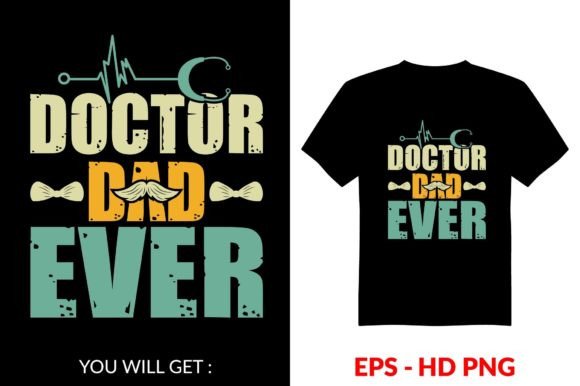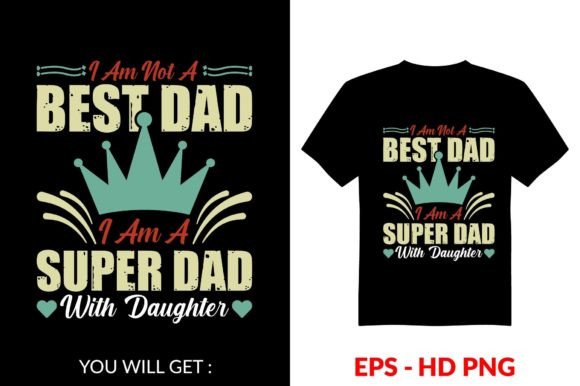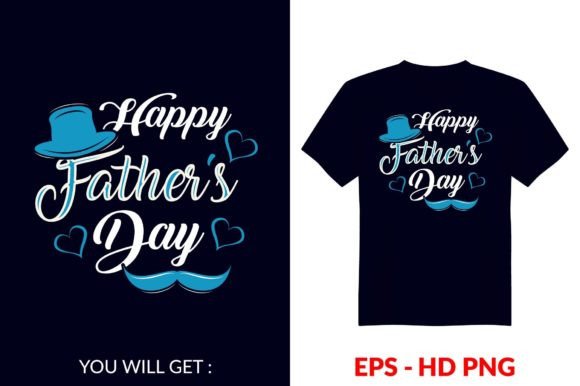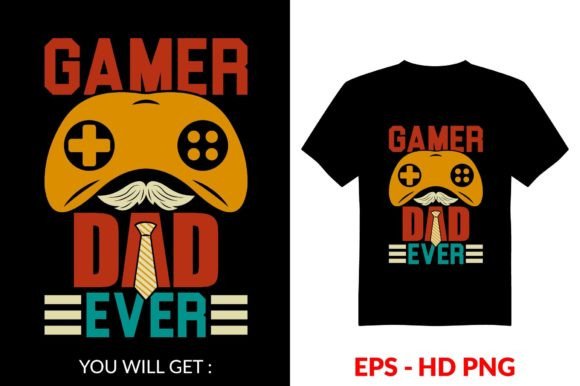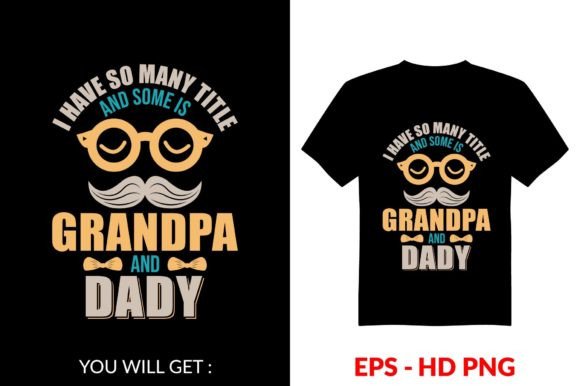
Reviewing Father s Day Vintage T Shirt Design 9 for Embroidery
As a designer who spends half my life digitizing and the other half stitching, I have learned that not every graphic translates well to thread. When I first pulled up Father s Day Vintage T Shirt Design 9, my immediate reaction was one of cautious optimism. The vintage aesthetic is always tricky in embroidery because it relies heavily on distressed textures and subtle gradients, two things that do not naturally exist in stitch work. However, after reviewing the layout and considering its potential application, I see a clear path for this design to succeed in real-world projects.
The mood of this piece is nostalgic and warm, capturing that specific retro vibe that resonates deeply with Father’s Day themes. It feels less like a generic holiday graphic and more like a curated memory. For those of us running small shops or creating handmade products, this emotional connection is vital. Customers are not just buying a shirt; they are buying a feeling. This design, categorized under Print Templates and Graphics, offers a strong visual foundation, but it requires a thoughtful approach when converting it into a physical embroidery project.
Visual Personality and First Impressions
The layout of Father s Day Vintage T Shirt Design 9 is balanced, with a central focal point that draws the eye without overwhelming the surrounding space. In digital form, the lines are crisp, but in embroidery, we must consider how these shapes hold up under the needle. The design features bold elements that suggest it would perform well with a combination of satin stitch for outlines and fill stitch for larger areas. This mix creates texture and depth, preventing the final product from looking flat.
I imagine this design working beautifully on a heavy cotton tote or a structured cap. The vintage theme pairs exceptionally well with natural fibers, where the slight irregularity of the fabric complements the retro style. If you are an Etsy seller or a craft business owner, this versatility is a major selling point. It allows you to offer the same design across multiple product lines, from custom apparel to home decor items like pillow covers or kitchen towels.
Real-World Application Scenarios
To truly evaluate a design, I always visualize it on a specific item. Let’s consider a custom embroidered sweatshirt. This is a popular item for Father’s Day gifts. The thickness of sweatshirt fabric provides a stable base for embroidery, allowing the stitches of Father s Day Vintage T Shirt Design 9 to sit nicely on the surface without sinking in. The vintage color palette, likely involving muted tones or classic contrasts, would look sophisticated against heather grey or navy blue fleece.
Another excellent application is the embroidered patch. Patches have seen a resurgence in popularity, and this design’s self-contained shape makes it ideal for cutting out and applying to jackets or bags. Using an applique design technique could further enhance the vintage feel by introducing different fabric textures into the design itself. This adds a tactile dimension that pure stitching cannot achieve, increasing the perceived value of the finished product.
For those focusing on baby embroidery or smaller gifts, caution is needed. While the theme is family-oriented, the scale of the design might be too large for tiny onesies unless simplified. However, it would work wonderfully on a larger baby blanket or a nursery decor item, where the size can be appreciated from a distance. The key is matching the hoop size to the item. Always check the dimensions before committing to a project.
Technical Considerations for Stitching
When dealing with vintage-style graphics, stitch density is a critical factor. If the original graphic has fine details or distressed edges, these must be carefully managed in the digitizing process. Overly dense stitching can cause puckering, especially on lighter fabrics. I recommend using a appropriate stabilizer to support the fabric during stitching. For stretchy materials like t-shirts, a cut-away stabilizer is often necessary to maintain the integrity of the design after washing.
Thread color selection will make or break this project. Since Father s Day Vintage T Shirt Design 9 relies on a specific aesthetic, deviating too far from the intended palette might lose the vintage charm. I suggest testing the design on scrap fabric first to see how the thread colors interact with your chosen material. Dark fabrics may require an underlay stitch to prevent the fabric color from showing through, while light fabrics allow for more subtlety in shading.
Be mindful of small details. Tiny lettering or intricate corners can become lost if the needle jumps are not optimized. If you are using this as a digital embroidery file from a store like stshahariarsifa, ensure you review the file settings. Check for any unnecessary jump stitches or dense areas that might need manual adjustment in your embroidery software. This step is crucial for maintaining professionalism and ensuring the machine embroidery design runs smoothly on your equipment.
Commercial Viability and Brand Consistency
For commercial use, consistency is key. If you are building a brand around vintage or heritage styles, Father s Day Vintage T Shirt Design 9 fits seamlessly into that narrative. It enhances brand recognition by offering a cohesive look across your small shop product lineup. Customers appreciate attention to detail, and a well-executed embroidery job signals quality and care.
However, always verify licensing terms. The product description mentions it is for your business, but it is essential to confirm whether the license covers mass production or only limited handmade sales. This protects you legally and ensures you respect the creator’s rights. Using proper design assets with clear permissions allows you to focus on creativity rather than compliance issues.
Final Verdict and Practical Tips
In summary, Father s Day Vintage T Shirt Design 9 is a strong contender for your next project. Its vintage appeal, balanced layout, and thematic relevance make it suitable for a wide range of applications, from sweatshirt embroidery to tote bag design. To get the best results:
- Test the design on scrap fabric similar to your final material.
- Check thread color contrast against both light and dark backgrounds.
- Use the correct stabilizer for your fabric type to prevent puckering.
- Verify hoop size compatibility before starting the machine.
- Inspect small details for clarity and adjust stitch density if necessary.
- Confirm licensing terms for commercial use before selling finished items.
By taking these steps, you transform a simple graphic into a high-quality personalized gift or a profitable craft business item. The difference between a good product and a great one often lies in these small, practical decisions. Embrace the vintage vibe, respect the technical requirements, and let your craftsmanship shine through every stitch.