Mimi Est.2023: A Designer’s Review for Embroidery
When I first pulled up the Mimi Est.2023 file on my screen, I was looking for more than just a cute graphic. As an embroidery designer who spends half my life digitizing and the other half stitching out client orders, I need to know if a design will hold up under the needle. This isn’t just about how it looks on a monitor; it is about how it translates into thread, fabric, and ultimately, a finished product that a customer will love and wear for years.
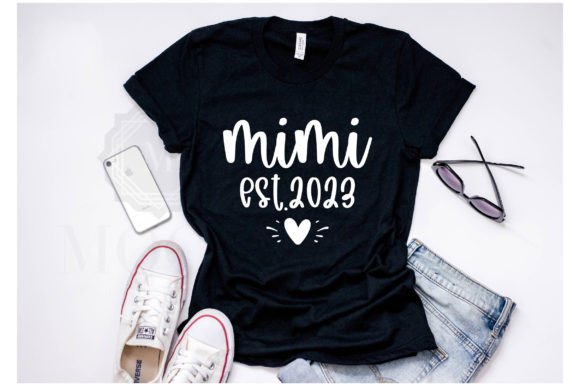
The initial impression of this Awesome Family SVG Design is one of warmth and established tradition. The "Est. 2023" motif suggests a new beginning, likely targeting new parents, newlyweds, or families starting a fresh chapter. For those of us in the craft business, this is a high-demand niche. But does the layout work for embroidery? Let’s break it down from a practical, stitch-by-stitch perspective.
Visual Personality and Stitching Potential
The design carries a clean, modern aesthetic that bridges the gap between digital graphics and tactile art. In the world of T-Shirt Designs, clarity is king. When you are working with a machine embroidery design, you cannot rely on subtle gradients or pixel-perfect anti-aliasing. You need bold shapes and clear negative space. Mimi Est.2023 appears to offer exactly that. The typography seems balanced, avoiding the trap of overly thin serifs that might get lost in the pile of a towel or the stretch of a jersey knit.
From a reviewer’s standpoint, the mood here is celebratory yet grounded. It feels personal without being cluttered. This makes it an ideal candidate for a variety of embroidery projects. I can immediately visualize this stitched onto a heavy cotton tote bag, where the texture of the thread would add a lovely dimension to the flat fabric. It also suits the softness required for baby embroidery, provided the stitch density is managed correctly to keep the garment comfortable against sensitive skin.
Real-World Application: The Custom Sweatshirt Test
To truly evaluate Mimi Est.2023, I imagined a real-life scenario: a custom order for a family reunion. The client wanted matching sweatshirt embroidery pieces for a group of twelve, ranging from toddlers to grandparents. This is where the versatility of the design shines. Because the concept is centered on family identity, it scales well.
For the adult sizes, I would place the design prominently on the left chest or as a larger back print. For the toddler sizes, a smaller placement on the sleeve or lower hem might be more appropriate. The key here is consistency. Using the same digital embroidery file across different garment types requires confidence in the design’s integrity. If the lines are too close together, they might merge on a small hoop. If they are too sparse, the design might look weak on a large hoodie. Based on the structure of this Graphics asset, it seems robust enough to handle these variations, assuming proper digitizing adjustments are made for each size.
Navigating Fabric and Hoop Constraints
While the design is versatile, there are areas where caution is necessary. Any experienced Etsy seller knows that not all fabrics behave the same. If you are planning to use Mimi Est.2023 on a textured fabric like a waffle-knit thermal or a fluffy fleece, you must consider stitch coverage. A fill stitch might sink into deep piles, making the text hard to read. In such cases, using a contrasting backing or opting for a satin stitch border could help define the edges.
Similarly, when working with stretchy fabrics like performance tees or baby onesies, stabilizer choice is critical. I always recommend testing the design on scrap fabric first. Check how the thread colors interact with the base material. Dark fabrics require careful consideration of underlay stitches to prevent the fabric color from peeking through the lighter threads of the design. For curved surfaces like caps, the rigidity of the design matters. If the text is too wide, it might distort around the curve of the crown. In those instances, breaking the design into smaller elements or adjusting the pull compensation in your digitizing software is essential.
Commercial Value and Brand Consistency
For small shop product creators, the value of a design lies in its ability to sell. Mimi Est.2023 taps into the emotional market of family milestones. This increases the perceived value of the handmade product. Customers are not just buying a shirt; they are buying a memory. When the stitching is clean and the design is crisp, it builds trust. It signals professionalism.
However, before listing this as a commercial embroidery item, you must verify the licensing. The product description mentions it is an Awesome Family SVG Design and includes formats like PNG, EPS, SVG, and DXF. While these are standard for cutting machines and print-on-demand, embroidery machines typically require PES, DST, or JEF files. If you are digitizing this yourself from the SVG, ensure you have the commercial rights to create and sell the resulting embroidery file. If you are buying a pre-digitized version, confirm that the license allows for unlimited physical sales. This step is crucial for maintaining a sustainable craft business.
Practical Notes for the Maker
Before you hit the start button on your machine, keep these practical tips in mind:
- Test on Scrap: Always run a test stitch-out on the same type of fabric you intend to use for the final product. This helps you identify any tension issues or registration errors.
- Check Contrast: View the design in black and white. If the details disappear in grayscale, they may lack definition in thread. Adjust your thread colors to ensure high visibility.
- Stabilizer Selection: Match your stabilizer to the fabric weight. Lightweight fabrics need cut-away stabilizer for durability, while stable woven fabrics can often use tear-away.
- Hoop Size: Confirm that the design fits comfortably within your hoop, leaving enough margin for the frame to grip the fabric securely without crushing the design area.
- Density Check: If the design feels stiff after stitching, reduce the stitch density in your digitizing software. This is especially important for items that will be washed frequently, like tote bag designs or kitchen towels.
In conclusion, Mimi Est.2023 offers a solid foundation for creators looking to expand their family-themed offerings. It balances aesthetic appeal with functional simplicity, making it a reliable choice for both novice hobbyists and seasoned professionals. By paying attention to fabric choice, stabilization, and licensing, you can transform this digital asset into a cherished personalized gift or a best-selling item in your online store. Happy stitching!