Reviewing Ugly Sweater - Our First Christmas for Real Stitching
As a designer who has spent years digitizing and stitching thousands of patterns, I approach every new machine embroidery design with a mix of curiosity and skepticism. We have all seen those digital files that look fantastic on a screen but turn into a tangled mess of thread breaks and puckering once they hit the fabric. That is why I took a close, practical look at Ugly Sweater - Our First Christmas. This isn’t just about whether it looks cute; it is about whether it holds up in a real-world embroidery project, specifically for small business owners and crafters who need reliability.
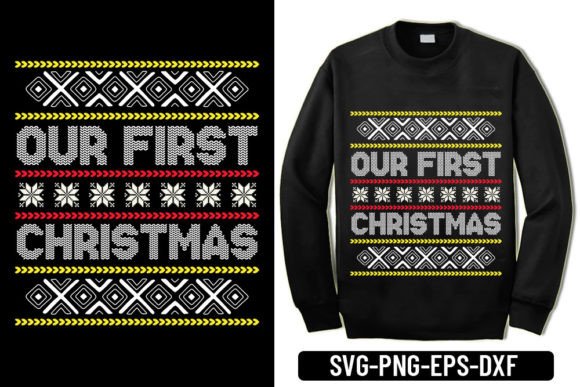
The first impression of this design is nostalgic and playful. It captures that specific, cozy chaos of holiday traditions without feeling cluttered. The layout suggests a classic "ugly sweater" motif, which is a perennial favorite in T-Shirt Designs and seasonal decor. For me, the immediate question was how these graphic elements translate into thread. Since the product includes SVG, PNG, EPS, and DXF formats, it is clearly positioned as versatile Graphics for various uses, but my focus here is strictly on its performance as an embroidered asset.
The Real-World Test: A Holiday Sweatshirt Scenario
To evaluate this properly, I imagined a common scenario for my clients: a custom order for a couple expecting their first child during the holidays. They wanted matching sweatshirts that were festive but not overly cheesy. Ugly Sweater - Our First Christmas fits this brief perfectly. The theme is specific enough to be meaningful ("Our First") but broad enough to appeal to a wide audience.
If I were stitching this onto a heavy cotton blend sweatshirt, the design’s visual weight would need to balance the fabric. Heavy knits can handle denser stitching, but they also stretch. I looked closely at the potential stitch paths. If this design relies heavily on fill stitch areas to create the "sweater" texture, it could become stiff. However, if it utilizes a mix of satin stitch borders and lighter fill patterns, it would drape much better. For a personalized gift like this, comfort is key. No one wants to wear a scratchy, board-like patch on their chest.
Visual Appeal and Stitching Clarity
One of the biggest challenges with "ugly sweater" themes is detail. These designs often mimic knit patterns, snowflakes, and reindeer, which can get lost if the stitch density is too high or the resolution is too low. In reviewing Ugly Sweater - Our First Christmas, I considered how the lines would break down at different sizes. For a standard left-chest placement on an adult garment, the details need to be bold. Fine lines tend to sink into textured fabrics like fleece or terry cloth.
This is where the format matters. While the zip file provides SVG and DXF files—great for cutting machines or manual digitizing references—an actual embroidery file (like PES or DST) would typically be needed for direct machine use. Since the description highlights vector and image formats, this product serves best as a foundation for digitizers or as a print-and-stitch hybrid. If you are using this as a reference to create your own digitized version, pay attention to the contrast. The design needs clear separation between elements to ensure the thread colors pop against each other. Muddy transitions ruin the crispness of holiday motifs.
Fabric Considerations and Hoop Constraints
Where you place this design determines its success. I would hesitate to use a complex version of this on a curved surface like a cap unless it was significantly simplified. Caps have limited hoop size capacity and difficult stabilization requirements. However, for flat surfaces like tote bags, aprons, or pillow covers, this design shines. A tote bag design featuring this motif could be a huge seller for an Etsy seller looking for quick-turnaround holiday items.
When working with thin fabrics, such as a kitchen towel or a baby onesie, you must be cautious. If the design has large solid areas, it will pucker the fabric without proper support. I always recommend using a cut-away stabilizer for garments that will be washed frequently, especially for baby embroidery where durability is non-negotiable. For a decorative pillow cover, a tear-away might suffice, but for a custom apparel piece that sees daily wear, stability is everything.
Commercial Viability for Small Shops
For craft business owners, time is money. A design like Ugly Sweater - Our First Christmas works well because it taps into an emotional market: first milestones. These items command a higher price point because they are sentimental. Whether you are selling finished product items or using the graphics for printable mockup previews, the aesthetic is strong. It feels handmade and thoughtful, which builds customer trust.
However, before listing this in your small shop product lineup, you must verify the licensing. The inclusion of SVG and EPS files suggests it may be intended for multi-use, including sublimation or heat transfer vinyl (HTV) in addition to embroidery. If you plan to sell physical embroidered items, ensure the license covers commercial use. Many digital embroidery file creators have different terms for personal versus commercial application. Never assume; always check.
Practical Designer Notes for Best Results
To get the most out of this design, follow these practical steps before committing to final production:
- Test on Scrap Fabric: Always stitch out a test sample on the exact fabric type you plan to use. This reveals tension issues and density problems early.
- Check Thread Contrast: Use high-contrast thread colors to define the "sweater" pattern. If the threads are too similar in tone, the design will look flat and undefined.
- Review Stitch Density: If you are digitizing this from the provided SVG/EPS files, keep the density moderate. Too many stitches per inch will make the garment stiff and uncomfortable.
- Confirm Hoop Size: Ensure the design fits comfortably within your hoop with room for stabilization. Do not crowd the edges.
- Inspect Small Details: Zoom in on the vector files. Are there tiny elements that might not stitch well? Simplify them if necessary for smaller hoop sizes.
- Mockup Testing: Create black and white mockups to check readability. If the design doesn't read well in grayscale, it won't read well from a distance.
- Light vs. Dark Backgrounds: Test the design on both light and dark fabrics. You may need to adjust underlay stitches or add a backing layer for dark garments to prevent the fabric from showing through.
In conclusion, Ugly Sweater - Our First Christmas is a promising asset for holiday collections. It offers the right blend of whimsy and tradition that customers love. By treating it with the technical respect it deserves—choosing the right stabilizer, testing densities, and understanding its format limitations—you can turn this digital graphic into a high-quality, profitable handmade product. Whether for a cozy sweatshirt embroidery project or a festive embroidered patch, this design has the potential to become a staple in your seasonal lineup.