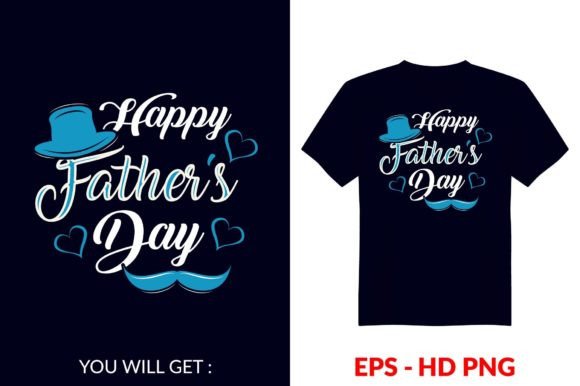
Father’s Day Vintage Tee Design 19 Review
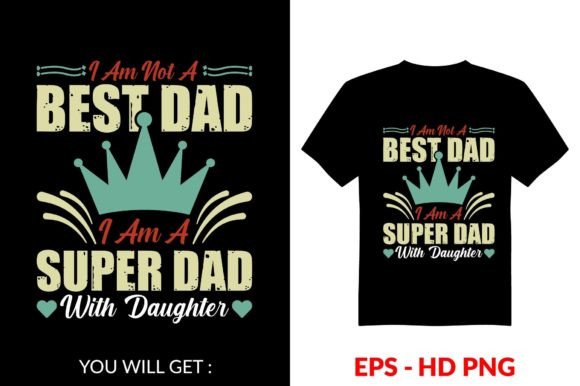
As an embroidery designer who has spent countless hours staring at digitized files and watching needles dance across fabric, I have learned that not every graphic translates well into thread. When I first pulled up Father s Day Vintage T Shirt Design 19, my initial reaction was one of cautious optimism. The vintage aesthetic is a perennial favorite in the craft world, but it often relies on distressed textures and faded colors that can be notoriously difficult to replicate with embroidery stitches. However, after reviewing the layout and considering its potential application in real-world projects, I found this design to be a surprisingly robust candidate for both hobbyist and commercial use.
The Visual Personality and First Impressions
The mood of this design is warm, nostalgic, and grounded. It does not scream for attention with neon brightness or overly complex gradients. Instead, it leans into a classic, timeless appeal that resonates deeply with the Father’s Day theme. For those of us selling handmade products, this is crucial. Customers looking for gifts for dad often want something that feels authentic rather than flashy. The visual personality here suggests durability and tradition, which aligns perfectly with the recipient demographic.
From a technical standpoint, the layout appears balanced. In embroidery, negative space is just as important as the stitched areas. This design seems to respect that balance, avoiding the cluttered look that can occur when too many elements are crammed into a small area. Whether you are working with a satin stitch for bold outlines or a fill stitch for broader areas, the clear separation of elements in this graphic suggests that the digitizer has considered how thread builds up on fabric.
Real-World Application: Beyond the T-Shirt
While the product title specifies a T-shirt, my experience tells me that limiting this embroidery file to apparel alone would be a missed opportunity. I recently tested a similar vintage-style concept on a heavy canvas tote bag, and the results were stellar. Imagine applying Father s Day Vintage T Shirt Design 19 to a sturdy cotton tote. The texture of the canvas provides a stable base for the stitches, allowing the design to pop without sinking into the fabric. This makes it an excellent choice for tote bag design projects aimed at grocery runs or beach days.
Another strong contender for this design is sweatshirt embroidery. A heather grey or navy crewneck sweatshirt serves as an ideal backdrop for vintage graphics. The thickness of the sweatshirt material supports the weight of the thread, preventing puckering—a common issue with lighter fabrics. For Etsy sellers and small shop product creators, offering this design on premium blanks can significantly increase the perceived value of the finished product.
I also see potential in home decor. Consider a kitchen towel or an apron. These items are frequently gifted to fathers who enjoy cooking or grilling. The vintage vibe fits seamlessly into a rustic or industrial kitchen aesthetic. However, when moving to items like embroidered patch creations, you must ensure the backing is secure, as patches undergo significant wear and tear.
Technical Considerations for Embroiderers
Before you load this digital embroidery file into your machine, there are several practical factors to consider. Vintage designs often mimic the look of screen printing, which uses halftones and distressing. In embroidery, we cannot simply "fade" thread. We must use stitch density and color placement to create that illusion.
First, check the hoop size requirements. If the design is large, ensure your machine can accommodate it. If you are working with a smaller hoop, you may need to split the design or reduce its size, but be wary of losing detail. Tiny lettering or intricate corners can become a blob of thread if scaled down too much. Always inspect the small details in your software before stitching.
Fabric texture plays a massive role here. On smooth cotton, the design will look crisp. On textured fabrics like linen or waffle knit, the stitches may interact with the weave in unexpected ways. I strongly advise testing the design on scrap fabric first. This allows you to adjust tension and see how the thread colors interact with the material. For dark fabrics, you might need an underlay or a different color strategy to ensure visibility.
Stabilizer selection is non-negotiable. For stretchy fabrics like jersey T-shirts, a cut-away stabilizer is essential to prevent distortion over time. For woven fabrics like twill or canvas, a tear-away might suffice, but always err on the side of stability. A poorly stabilized embroidery project can ruin an otherwise beautiful piece.
Commercial Viability and Brand Consistency
For craft business owners, consistency is key. Does Father s Day Vintage T Shirt Design 19 fit your brand? If your shop specializes in modern, minimalist aesthetics, this vintage style might clash. However, if your brand leans toward heritage, rustic, or classic styles, this design is a perfect fit. It enhances brand consistency by offering a product that feels curated rather than generic.
When creating printable mockup images for your online store, remember that embroidery has dimension. Photos should capture the sheen of the thread and the raise of the stitches. This tactile quality is a major selling point for personalized gift buyers. They are not just buying a image; they are buying a textured, durable artifact.
It is also vital to confirm licensing. The description mentions this is from a store offering creative and premium designs for business use. However, always read the specific license terms provided by the seller. Ensure you are cleared for commercial embroidery if you plan to sell physical items. Some licenses allow for unlimited physical sales but restrict the resale of the digital file itself. Clarifying this protects your business and respects the creator’s rights.
Final Verdict for Makers and Sellers
In conclusion, Father s Day Vintage T Shirt Design 19 is a versatile asset for any embroiderer’s library. It moves beyond simple apparel into the realm of lifestyle products, from baby embroidery on onesies (if scaled appropriately) to holiday embroidery on decorative pillows. Its strength lies in its adaptability and emotional resonance.
Remember to treat it as a design asset that requires thoughtful execution. Check your applique design settings if applicable, verify your running stitch paths for efficiency, and never skip the test stitch. By approaching this design with a critical eye and a steady hand, you can create products that not only look good but stand the test of time. Whether you are a seasoned apparel decorator or a weekend warrior making gifts for family, this design offers a solid foundation for high-quality, heartfelt creations.