Grandpa Bunny: A Designer’s Take on Easter Typography
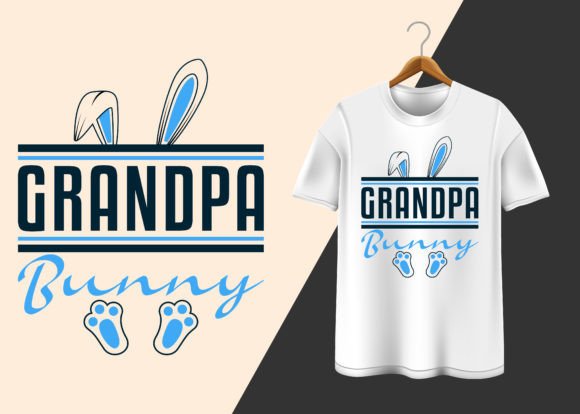
When I first pulled up the Grandpa Bunny file on my screen, I wasn’t looking for flashy gradients or complex shading. As an embroidery designer who spends half my life troubleshooting thread breaks and stabilizer shifts, I look for clarity. I look for designs that translate well from a digital pixel grid to actual thread on fabric. This particular piece caught my eye not because it was overly complicated, but because it understood its assignment. It is a holiday typography design centered around an Easter theme, and it carries a warmth that feels authentic rather than manufactured.
The visual personality of Grandpa Bunny is immediately inviting. It doesn’t scream for attention with neon colors or aggressive shapes. Instead, it relies on strong typographic hierarchy and a charming thematic illustration that suggests family, tradition, and gentle celebration. For those of us running small shops or crafting personalized gifts, this mood is crucial. Customers aren’t just buying a shirt; they are buying a feeling. They want something that says "family gathering" without looking like a mass-produced uniform. This design fits that niche perfectly.
From Screen to Stitch: Real-World Application
I recently had a client request custom sweatshirts for a family Easter brunch. They wanted something that could be worn by grandparents and grandchildren alike, bridging the generation gap with a shared motif. Grandpa Bunny was my immediate candidate. However, before committing to ten high-quality cotton blends, I had to evaluate how this graphic would perform in a real embroidery scenario.
While the product description highlights that this is a T-Shirt Design with print-ready AI, EPS, and PNG files, us embroidery professionals have to read between the lines. These vector and raster formats are excellent for creating mockups, printing heat transfers, or using as reference guides for digitizing. If you are an Etsy seller or a craft business owner, these assets allow you to create stunning printable mockups and social media previews before you even thread your needle. But for actual stitching, we need to consider how these shapes translate to thread.
The typography in Grandpa Bunny appears bold enough to hold up well. In embroidery, thin lettering is the enemy of durability. If the strokes are too narrow, they become fragile and prone to breaking after a few washes. This design seems to prioritize legibility and substance, which suggests it would work beautifully as a sweatshirt embroidery project where the fabric has enough weight to support the stitch density. I imagined it centered on the chest of a heather grey crewneck, using a matte white thread for the text and a soft pastel for the bunny element. The contrast would be clean, modern, and highly readable.
Navigating Fabric and Hoop Constraints
One of the most critical aspects of reviewing any design asset is understanding where it might fail. No design works everywhere. For Grandpa Bunny, I would exercise caution when applying it to stretchy or thin fabrics. If you are planning to use this on a lightweight t-shirt, you must use a high-quality cut-away stabilizer. Without proper support, the weight of the typography could cause the fabric to pucker, ruining the clean lines of the letters.
Additionally, consider the hoop size. While the provided files are large (7000x5000 pixels), the physical embroidery version needs to fit within your machine’s capabilities. If you are adapting this for a cap or a curved surface, the width of the text might be too broad for standard front-panel hoops. In such cases, I would recommend splitting the design or reducing the scale significantly, ensuring that the smaller details of the bunny illustration do not get lost in the stitch count. Tiny details often turn into muddy blobs when scaled down too far, so always test on scrap fabric first.
For textured fabrics like terry cloth towels or fluffy blankets, the design’s simplicity is an advantage. Complex fills get lost in the pile, but bold typography and clear shapes, like those in Grandpa Bunny, remain distinct. This makes it a strong contender for holiday embroidery projects involving kitchen towels or baby blankets, provided you adjust your stitch density to account for the fabric’s thickness.
Commercial Viability and Brand Trust
For small shop products and boutique branding, consistency is key. Using a cohesive set of T-Shirt Designs and Graphics helps build brand recognition. Grandpa Bunny offers a professional look that elevates perceived value. When a customer sees clean, well-executed embroidery, they trust the quality of the entire garment. This design supports that trust by avoiding clutter.
If you are selling finished products, such as embroidered patches or tote bag designs, ensure you have the correct licensing. The inclusion of AI and EPS files suggests this package is geared towards designers who may want to modify or integrate the artwork into larger compositions. Always confirm whether the license covers commercial embroidery sales or if it is strictly for personal use. Misunderstanding license terms can lead to serious issues for digital product sellers and apparel decorators.
Practical Notes for the Embroiderer
Before you launch into production, here are a few practical steps I recommend when working with a design like Grandpa Bunny:
- Test on Scrap Fabric: Never skip this step. Check how the thread interacts with your specific material.
- Check Thread Contrast: Use a black and white mockup to ensure the design is readable without color cues.
- Review Stitch Density: If digitizing from the vector files, avoid excessive overlap in the lettering to prevent stiffness.
- Inspect Small Details: Zoom in on the bunny elements. If any lines are thinner than 0.5mm, consider widening them for better stitch coverage.
- Confirm Licensing: Verify if the included files allow for commercial machine embroidery design sales or only physical product sales.
In conclusion, Grandpa Bunny is a thoughtful, versatile design that bridges the gap between digital versatility and tactile craftsmanship. Whether you are creating a personalized gift for a new grandparent or stocking your online store with seasonal custom apparel, this design offers a solid foundation. It respects the limitations of the medium while maximizing visual appeal. With careful attention to stabilizer choice and hoop placement, it can become a standout piece in your embroidery project portfolio.