Reviewing Onto the Next Chapter Sublimation Design
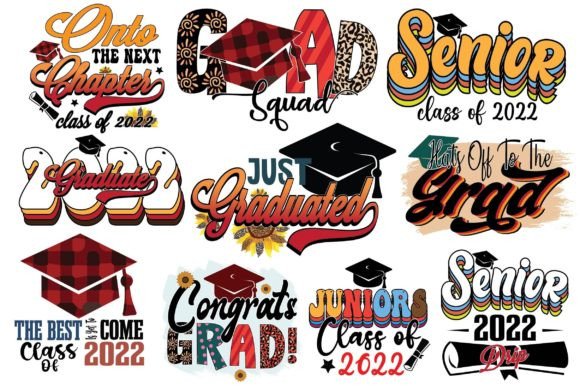
As an embroidery designer who has spent years digitizing files and testing them on everything from delicate baby onesies to heavy canvas tote bags, I approach every new graphic with a critical eye. We often see designs marketed broadly, but the real test is how they translate from a digital screen to physical thread. Recently, I evaluated Onto the Next Chapter Sublimation Design to determine its viability for real-world projects. While the product description highlights its origins as a Class of 2022 sublimation t-shirt design, my focus was on understanding how its visual elements—specifically the beautiful quote and eye-catching graphics—would perform when adapted for stitched applications.
First Impressions and Visual Mood
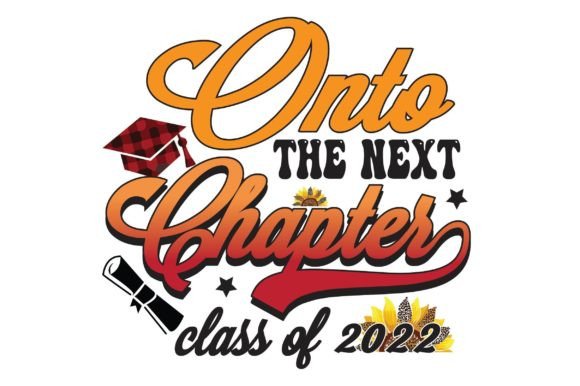
The immediate appeal of Onto the Next Chapter Sublimation Design lies in its thematic clarity. It captures a specific moment of transition, making it inherently emotional and celebratory. For embroidery designers, this is crucial because emotional resonance drives sales. The layout appears balanced, with the quote serving as the focal point surrounded by complementary graphics. When I first viewed the high-resolution 300 DPI PNG and JPG files provided, I looked for clean lines and distinct color separation. These are essential for converting a raster image into a functional machine embroidery design.
The mood is optimistic and forward-looking. This isn't just a generic graphic; it tells a story. In the context of T-Shirt Designs, this works well for graduation season, but for an embroiderer, the potential extends far beyond apparel. The visual personality suggests sophistication rather than childish whimsy, which opens doors for higher-end boutique products. However, because the source files include SVG and EPS formats alongside the transparent background images, we have the flexibility to manipulate the vector paths if we were to redraw elements for better stitch flow.
Real-World Application Scenarios
I imagined using this design for a custom order: a high-quality canvas tote bag for a recent graduate entering the workforce or further education. A tote bag design requires durability and visual impact. The "eye-catching graphics" mentioned in the description would need to be simplified for stitching. If I were to digitize this manually, I would prioritize the text and the most prominent graphic elements, removing subtle gradients that do not translate well to thread.
Another strong candidate for this artwork is sweatshirt embroidery. Graduation hoodies are a staple in spring markets. The design’s layout likely fits well across the chest or on the upper back. For a personalized gift, adding the recipient's name below the main quote could enhance the value. I also considered its use on a structured cap. Here, caution is needed. Curved surfaces distort complex layouts. If the graphic elements are too wide, they might wrap awkwardly around the crown. In such cases, isolating a smaller emblem from the overall composition would be a smarter move than attempting the full scene.
For baby embroidery or nursery decor, the theme might feel slightly mature, but it could work beautifully on a keepsake blanket or a framed hoop art piece celebrating a milestone. The key is scaling. A large, detailed design loses its charm if shrunk too small, where fine details become indistinguishable blobs of thread.
Technical Considerations for Stitching
When converting Graphics like Onto the Next Chapter Sublimation Design into an embroidery file, we must address stitch types. Text usually benefits from a clean satin stitch for sizes above half an inch, ensuring readability. Smaller lettering might require a single running stitch or a narrow satin column to prevent bulk. The surrounding graphics would likely need a combination of fill stitch for solid areas and running stitches for outlines.
Stitch density is a major concern. Sublimation designs often feature smooth gradients and soft edges. Embroidery, by contrast, is pixelated with thread. To maintain the design's integrity, I would recommend reducing density in large fill areas to prevent puckering, especially on lighter fabrics. Using a proper stabilizer is non-negotiable here. For a custom apparel project on a cotton t-shirt, a cut-away stabilizer would provide the necessary support without adding excessive stiffness.
One must also consider thread colors. The original design may use specific shades to create depth. In embroidery, we are limited by our thread palette. I advise creating a mockup in black and white first. If the design relies solely on color contrast to distinguish elements, it will fail in monochrome. Good embroidery design holds up even when stitched in a single color. Test this by printing the design in grayscale. If the quote disappears into the background, you need to adjust the digitizing to add outlining or spacing.
Fabric and Hoop Constraints
Not all fabrics are created equal. On textured fabrics like linen or terrycloth, fine details get lost. If you plan to use this on a kitchen towel or a plush blanket, simplify the graphic elements. Leave only the essential shapes. For stretchy fabric like jersey knits, hooping technique is vital. Use a floating method with adhesive stabilizer to prevent distortion. Dark fabrics present another challenge. If the design includes light-colored threads, ensure your underlay is sufficient to prevent the fabric color from showing through, which can muddy the final look.
Hoop size dictates the scale. Before purchasing or digitizing, confirm the maximum area your machine can handle. If the design is larger than your hoop, you will need to split it, which introduces alignment risks. For a seamless finish, it is often better to choose a design that fits within a single 5x7 or 6x10 hoop.
Commercial Viability and Brand Consistency
For Etsy sellers and craft business owners, the uniqueness of the product drives engagement. Onto the Next Chapter Sublimation Design offers a trendy, relevant theme. However, since it is sold as a sublimation design, you must verify the licensing terms for commercial embroidery use. Many designers allow personal use but require an extended license for selling finished physical goods. Always check this before listing items as small shop product inventory.
Using this design effectively can boost brand consistency if your shop focuses on milestones and celebrations. It adds professionalism to your portfolio. High-quality printable mockup images of the finished embroidered item can help customers visualize the product, increasing conversion rates. Remember, customers buy the finished look, not just the thread count.
Final Designer Notes
Before committing to a large batch of commercial embroidery projects, always run a test stitch on scrap fabric identical to your final material. Check for thread breaks, tension issues, and registration accuracy. Inspect small details closely; if corners are pulling or letters are merging, adjust your digitizing settings. Compare the stitched result against the original digital preview. Does it capture the same spirit?
In conclusion, Onto the Next Chapter Sublimation Design holds significant potential for creative entrepreneurs willing to adapt it for needle and thread. It is not a plug-and-play digital embroidery file in its raw form, but rather a rich source of inspiration and graphical assets. With careful digitizing, appropriate fabric selection, and attention to stitch technique, it can become a standout piece in your collection of design assets. Whether for a holiday embroidery gift or a year-round bestseller, the key lies in respecting the limitations of the medium while leveraging the strength of the visual message.