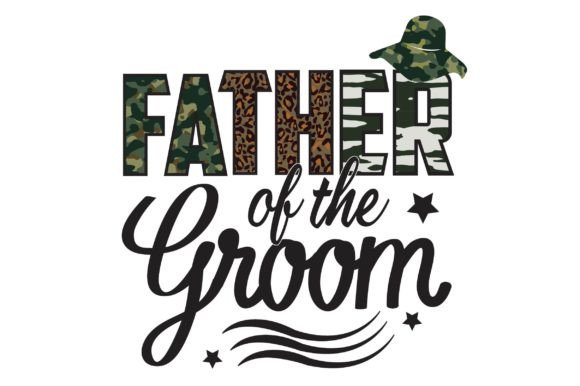
Reviewing the Father of the Groom Sublimation Design for Stitchers
As a designer who spends half my life digitizing and the other half stitching, I approach every new machine embroidery design with a healthy dose of skepticism. We have all been there: you download a file that looks stunning on screen, only to find it turns into a bird’s nest of thread breaks and puckering once it hits the fabric. Recently, I took a close look at the Father of the Groom Sublimation Design. While the product description highlights its use as a sublimation graphic with high-resolution PNG, JPG, SVG, and EPS files, my interest lies in how these visual assets translate into tangible, stitched reality for craft business owners and Etsy sellers.
First Impressions and Visual Personality
The first thing that strikes you about this design is its bold, celebratory mood. It is not subtle, nor should it be. This is a statement piece intended for a man stepping into a new role. The graphics are eye-catching, featuring clean lines and a layout that balances text with decorative elements. For those of us working in T-Shirt Designs or custom apparel, the visual weight is crucial. If the design is too dense, it feels heavy on the chest; if it is too sparse, it gets lost in the wash. This particular asset strikes a balance that suggests it would perform well when adapted for embroidery, provided we respect the original line work.
The inclusion of a beautiful quote adds an emotional layer that resonates with buyers looking for a personalized gift. In the world of handmade products, sentiment sells. However, from a technical standpoint, quotes can be tricky. Tiny serifs and tight kerning often disappear under satin stitches. My initial assessment is that this design’s typography appears robust enough to withstand the conversion from digital Graphics to thread, but it requires careful handling during the digitizing phase if you are creating your own embroidery file from these source vectors.
Real-World Application: The Custom Sweatshirt Test
To truly evaluate a design, you must imagine it on a finished product. I recently worked on a custom order for a wedding party, specifically focusing on coordinated sweatshirt embroidery for the groom’s family. The client wanted something that felt premium but not overly formal. This is where the Father of the Groom Sublimation Design concept shines. Imagine taking the core graphical elements from this high-resolution 300 DPI source and adapting them for a left-chest placement on a heavyweight cotton blend sweatshirt.
The result? A sophisticated, boutique-quality item. The design does not scream "craft fair leftover"; it looks like intentional branding. For small shop owners, this versatility is key. You are not just selling a shirt; you are selling a memory. Whether it is used for a tote bag design for the rehearsal dinner or a cap for the golf outing after the ceremony, the aesthetic holds up. The transparent background mentioned in the file details is particularly useful here, allowing you to isolate specific elements for smaller applications like embroidered patches or pocket accents.
Navigating Fabric and Hoop Constraints
While the design is visually strong, we must discuss where it needs caution. Embroidery is physical. Thread has thickness, and fabric has texture. If you plan to use this design on a baby embroidery project, such as a onesie, you must be wary of stitch density. High-density fill stitches can make delicate fabrics stiff and uncomfortable. Always test on scrap fabric first. Check your stabilizer choice; a cut-away stabilizer is usually best for garments that will be washed frequently, ensuring the design retains its shape without distorting the garment.
Another critical factor is hoop size. If the original graphic is large, shrinking it down to fit a 4x4 inch hoop for a holiday embroidery ornament or a small patch might compromise the legibility of the quote. Tiny lettering becomes illegible when reduced. I advise reviewing the design in black and white mockups to check contrast and clarity before committing to thread. If the details blur in grayscale, they will likely blur in thread. For curved surfaces like caps, consider breaking the design into smaller sections or using an applique technique to reduce bulk and maintain comfort.
Commercial Viability and Brand Consistency
For the Etsy seller or creative entrepreneur, consistency is currency. Your brand is defined by the quality of your finished product. Using high-quality source files like the ones included in this package—SVG and EPS files allow for infinite scaling without loss of quality—gives you a professional edge. You can create printable mockups for your online store that accurately represent the final look, building customer trust before they even buy.
However, a word of caution regarding licensing. The product description mentions you get un [incomplete text], which implies there are specific terms of use. Before using this as a commercial embroidery asset, you must confirm whether the license allows for the sale of physical finished items or if it is restricted to personal use. Never assume. Check the documentation provided with the download. Selling items based on unclear licensing can jeopardize your small business reputation and legal standing.
Practical Designer Notes for Execution
- Thread Color Contrast: Test your thread colors against the fabric. A dark thread on a dark shirt may look sleek but can lose detail. Ensure there is enough contrast for the quote to be readable from a distance.
- Stitch Type Selection: Consider using running stitch for fine details and satin stitch for borders. Avoid excessive fill stitch in large areas to keep the garment flexible and comfortable.
- Fabric Texture: Textured fabrics like terry cloth or fleece can swallow small details. Use a topping or water-soluble stabilizer on top of the fabric to keep stitches sitting on the surface rather than sinking in.
- Wash Testing: Always wash your test piece. Check for thread bleeding, puckering, or distortion. A design that looks good fresh off the machine but ruins itself in the dryer is not a viable small shop product.
In conclusion, the Father of the Groom Sublimation Design offers a solid foundation for creative adaptation. It is not just a digital file; it is a starting point for meaningful, high-value handmade goods. By respecting the technical limitations of embroidery and leveraging the high-quality vector assets provided, you can create products that stand out in a crowded market. Whether you are making a single personalized gift for a family member or stocking your online store with wedding-themed apparel, this design has the potential to deliver professional results. Just remember: measure twice, stitch once, and always prioritize the wearer’s comfort alongside visual appeal.