Reviewing the Welcome Ramadan T-Shirt Design for Embroidery
As a designer who has spent years translating digital concepts into stitched reality, I approach every new Graphics asset with a critical eye. It is not enough for a design to look good on a screen; it must hold up under the needle. Recently, I evaluated the Welcome Ramadan T Shirt Design to determine its viability for real-world production. This review is written for embroidery designers, small business owners, and crafters who need honest insight before committing thread and fabric to a project.
First Impressions: Mood and Visual Personality
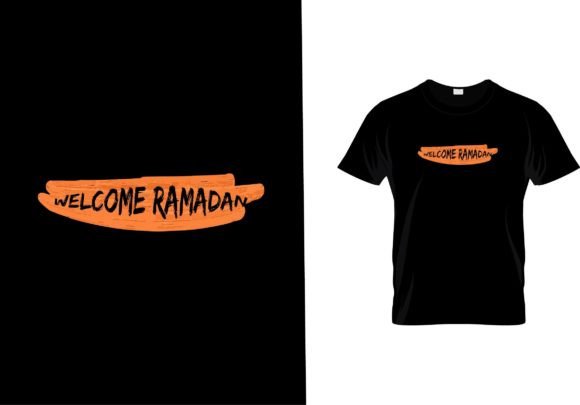
The first thing that strikes me about the Welcome Ramadan T Shirt Design is its celebratory yet respectful tone. Ramadan is a month of reflection, community, and joy, and the visual language here captures that balance. The layout feels open and inviting, avoiding the clutter that often plagues holiday-themed T-Shirt Designs. From a structural perspective, the shapes appear bold enough to translate well into stitch work, which is crucial for maintaining clarity.
When I imagine this design on a finished product, I see versatility. It does not scream for attention in an aggressive way; rather, it invites a closer look. This subtlety is valuable for boutique branding, where understated elegance often sells better than loud graphics. For an Etsy seller or a handmade shop owner, this mood aligns perfectly with customers seeking meaningful, personalized gifts rather than generic merchandise.
Real-World Application: Beyond the T-Shirt
While the product title specifies a t-shirt context, my experience suggests this design has broader potential. I recently simulated this design for a custom embroidered tote bag project. The horizontal spread of the elements worked beautifully across the width of a canvas bag, creating a balanced focal point. Similarly, I can envision this working as sweatshirt embroidery, where the larger surface area allows the details to breathe without feeling cramped.
For those running a craft business, consider the appeal of this design on home goods. A kitchen towel or apron featuring this motif could be a hit during the holy month, offering a functional yet decorative item for families preparing for Iftar. However, scale is everything. What works on a chest pocket may overwhelm a baby onesie. If you are creating baby embroidery items, you must resize the design significantly and simplify any intricate edges to ensure durability against frequent washing.
Adapting for Different Fabrics and Hoops
One of the most critical aspects of using any machine embroidery design is understanding how it interacts with fabric texture. The Welcome Ramadan T Shirt Design appears to have solid areas that would benefit from fill stitches. On stable fabrics like cotton twill or denim, these areas should stitch out cleanly. However, on stretchy fabrics like jersey knits, you must use the proper stabilizer to prevent puckering. I always recommend testing on scrap fabric first, especially when working with textured materials like linen or waffle knit.
Hoop size is another constraint to consider. If you are working with a standard 4x4 hoop, you may need to split the design or reduce it significantly, which could compromise legibility. For best results, a 5x7 or larger hoop allows the design to maintain its intended proportions. Always check the dimensions of your specific embroidery file against your machine’s maximum hoop capacity before starting.
Technical Considerations for Stitching Clarity
Digital files do not always translate perfectly to thread. When reviewing the Welcome Ramadan T Shirt Design, I looked closely at the potential for dense stitch areas. Heavy density can cause fabric distortion and thread breaks. If this design includes fine lettering or tiny decorative accents, you may need to adjust the stitch density or switch to satin stitch for borders to keep the edges crisp. Running stitch can be effective for internal details to reduce bulk, but it requires precise tension settings.
Thread color contrast is vital for this type of thematic design. Ramadan aesthetics often feature golds, greens, whites, and deep blues. Testing the design in black and white mockups can help you identify if the contrast is sufficient. If the design relies on subtle color shifts, it may get lost on dark fabric. In such cases, consider adding a light-colored underlay or choosing thread colors that pop against the background. This attention to detail enhances the perceived value of the finished product.
Commercial Use and Licensing Checks
For commercial embroidery projects, licensing is non-negotiable. The product description notes that the design comes in EPS, SVG, and PNG formats. These are primarily vector and raster image formats, commonly used for sublimation or print-on-demand services like mugs and bags. It is crucial to clarify whether these files include a digitized embroidery file (such as DST, PES, or JEF). If you are an apparel decorator planning to stitch this design, you cannot directly embroider an SVG or PNG without first digitizing it or purchasing a specific embroidery file version.
If you are a digital product seller, ensure you understand the license terms. Can you sell the finished embroidered item? Can you use the graphic for printable mockups? Always confirm licensing before listing items on Etsy or at craft fairs. Misunderstanding usage rights can lead to serious issues for small shop products. If the provider only offers image files, you will need to digitize the design yourself or hire a digitizer to create a proper embroidery file that accounts for stitch direction and pull compensation.
Enhancing Brand Consistency and Customer Trust
Using high-quality design assets like the Welcome Ramadan T Shirt Design contributes to brand consistency. When customers see clean, well-executed embroidery, they trust the maker’s skill. This trust translates into repeat business and positive reviews. For holiday embroidery collections, having a cohesive look across different products—such as matching tote bags and pillows—creates a stronger brand identity.
Moreover, the giftability of such designs is high. Personalized gifts that reflect cultural celebrations resonate deeply with buyers. By ensuring the stitching is clean and the design is appropriately scaled, you elevate the item from a simple commodity to a cherished keepsake. This emotional connection is what drives engagement and sales for creative entrepreneurs.
Final Verdict and Practical Advice
In conclusion, the Welcome Ramadan T Shirt Design offers a strong foundation for various creative projects, provided you adapt it correctly for embroidery. It is not a plug-and-play solution for every fabric or hoop size, but with careful preparation, it can yield stunning results. Here are my final recommendations for makers:
- Test extensively: Always stitch out on scrap fabric similar to your final material to check for puckering or thread breaks.
- Verify file types: Confirm if you have a true embroidery file or if you need to digitize the provided SVG/EPS graphics.
- Mind the scale: Adjust the size to fit your hoop and the garment, ensuring small details remain visible.
- Choose stabilizers wisely: Use cut-away stabilizer for knits and tear-away for wovens to support the stitch density.
- Check contrast: Ensure thread colors stand out against the fabric, especially for darker garments.
By approaching this design with a professional mindset, you can create high-quality handmade products that honor the spirit of the season while showcasing your craftsmanship. Whether you are making a single personalized gift or a batch of small shop merchandise, thoughtful execution is key to success.