So Loved: A Designer’s Take on Valentine’s Embroidery
As someone who has spent countless hours digitizing, stitching, and troubleshooting embroidery projects for clients, I approach every new machine embroidery design with a critical eye. It is not just about whether the image looks cute on a screen; it is about how those lines translate into thread, tension, and texture on actual fabric. Recently, I evaluated So Loved, a Valentine’s Day sublimation SVG design that has been generating buzz among crafters and small business owners. While the product listing highlights its utility as a high-resolution PNG and vector file for sublimation, I wanted to dig deeper into how this graphic performs when adapted for real-world embroidery applications.
First Impressions and Visual Personality
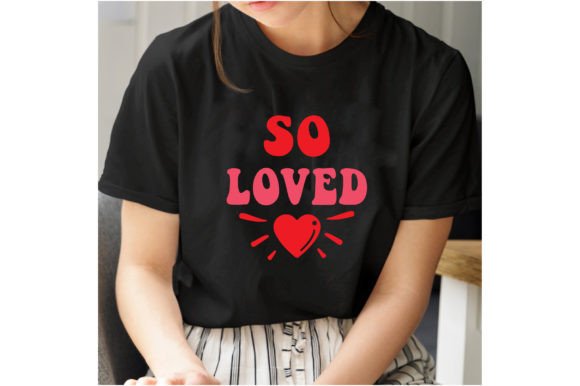
The first thing that strikes you about So Loved is its clean, modern aesthetic. The typography is bold yet approachable, carrying a warmth that feels genuine rather than overly commercial. For an embroidery designer, this is crucial. Overly intricate scripts or thin, wispy fonts often disappear into the fabric or require excessive underlay stitching to hold their shape. This design, however, appears to have the visual weight necessary to stand out on textured materials like terry cloth towels or heavy cotton sweatshirts.
The mood it creates is one of cozy affection. It does not scream for attention with neon colors or chaotic shapes; instead, it offers a balanced layout that suggests stability and care. This makes it an ideal candidate for products where the emotional connection is key, such as personalized gifts or boutique merchandise. When I look at the line work in the provided EPS and SVG files, I see potential for clear definition, provided the digitizer respects the original spacing and proportions.
Real-World Application: Beyond the Screen
To truly test the viability of So Loved, I imagined a specific scenario: preparing a custom order for a local boutique looking to expand their Valentine’s collection. The client wanted a mix of apparel and home goods. Here is how I see this design fitting into various embroidery project types:
- Sweatshirt Embroidery: The bold nature of the text would pair beautifully with a satin stitch border on a crewneck sweatshirt. The density of the fill stitch would need to be balanced to prevent puckering on the fleece, but the visual impact would be high.
- Tote Bag Design: For canvas totes, a slightly heavier thread weight could enhance the rustic, handmade feel. The design’s simplicity ensures it remains legible even from a distance, which is vital for retail displays.
- Baby Embroidery: On soft muslin or organic cotton onesies, this design could serve as a gentle accent. However, careful attention must be paid to the backside stitching to ensure comfort against sensitive skin.
- Holiday Embroidery: As a seasonal item, it fits perfectly into February promotions. It can be easily scaled for smaller items like kitchen towels or larger statements on pillow covers.
For Etsy sellers and craft business owners, versatility is currency. A design that works across multiple product lines reduces the need for constant new digitizing. So Loved offers that flexibility, acting as a reliable asset for both personal use and commercial embroidery projects.
Navigating Technical Challenges
While the design is visually strong, there are areas where caution is required. Since the source files are primarily graphics (PNG, SVG, EPS, DXF) intended for sublimation or cutting, they are not native embroidery files. This means the end-user or their digitizer must convert the vector paths into stitch data. This conversion process is where many projects fail if not handled with expertise.
When adapting So Loved for embroidery, consider the following technical constraints:
- Stitch Density: If the letters are filled entirely with satin stitch, the width must be monitored. Wide satin stitches can snag easily. A combination of satin borders and fill stitch interiors might offer better durability for items like aprons or tote bags that undergo frequent washing.
- Small Hoop Sizes: If scaling down for caps or patches, the finer details of the letterforms may merge. Always test the design in black and white mockups to check for clarity before committing to thread.
- Fabric Texture: On textured fabrics like waffle knit or terry, fine running stitch details can get lost. Ensure the design elements are thick enough to bridge the gaps in the fabric weave.
- Dark Fabric: If stitching on dark garments, the contrast becomes critical. You may need to adjust the thread colors or add a backing layer to ensure the design pops without using excessive white underlay that could show through lighter top threads.
Enhancing Product Value and Brand Trust
In the world of handmade products, presentation is everything. A well-executed embroidery job signals professionalism and care. Using a design like So Loved correctly can elevate a simple t-shirt into a cherished keepsake. For small shop owners, consistency in quality builds customer trust. When a buyer receives a personalized gift that is neatly stitched, with no loose threads or distorted shapes, they are more likely to return and recommend your shop.
Furthermore, the aesthetic of So Loved aligns well with current trends in minimalist and heartfelt decor. It does not feel dated or overly trendy, which extends its shelf life in your digital inventory. Whether used for wedding gifts, anniversary presents, or self-care items, the design communicates a timeless message of affection.
Practical Notes for the Embroidery Designer
Before you load this design into your machine or sell it as part of a finished product, take these practical steps:
- Test on Scrap Fabric: Never skip the test stitch. Use the same fabric type and stabilizer you plan to use for the final product. This reveals any tension issues or registration errors early.
- Check Thread Color Contrast: Experiment with different thread palettes. While red and pink are obvious choices for Valentine’s Day, consider navy, cream, or gold for a more sophisticated look that appeals to a broader audience.
- Verify Licensing: The product description mentions SVG, PNG, EPS, and DXF files. It is essential to confirm whether the license allows for commercial use of the embroidered finished product. Most graphic licenses differ from embroidery file licenses. Ensure you have the right to sell items made with this design if you are running a craft business.
- Stabilizer Selection: Choose your stabilizer based on the fabric. Cut-away stabilizer is generally safer for stretchy fabrics like t-shirts, while tear-away works well for stable woven materials like pillow covers.
In conclusion, So Loved is a promising graphic asset for designers willing to put in the digitizing work. It offers a solid foundation for creating high-quality, emotionally resonant embroidery pieces. By respecting the technical requirements of the medium and understanding the end-use context, you can transform this digital file into a tangible product that delights customers and strengthens your brand. Whether you are an experienced decorator or a hobbyist looking to upgrade your gift-giving game, this design deserves a spot in your creative toolkit, provided you approach it with the precision it requires.